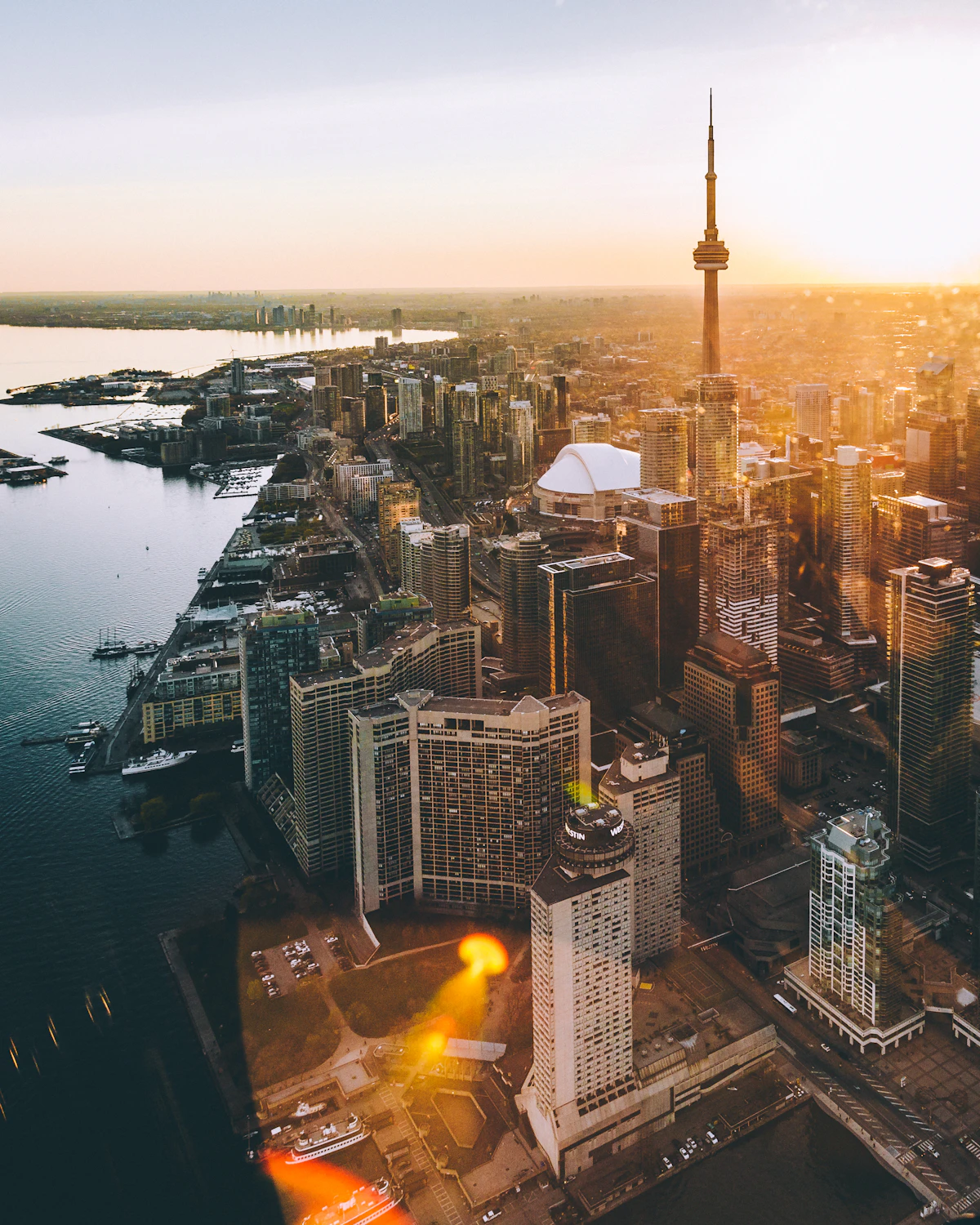
Toronto in October 2010 operated as North America's second or third largest indie touring market, depending on how you count New York and Chicago. A venue density across multiple neighborhoods (Queen West, Kensington, the Junction, the Annex), audiences large enough to support multiple indie shows on any given night, and a press ecosystem that paid attention to touring acts, these made Toronto a mandatory routing stop for any serious North American indie tour.
The Queen West corridor
Queen West between Bathurst and Trinity Bellwoods had become the central Toronto indie venue corridor by 2010, the Drake Hotel, the Rivoli, the Horseshoe Tavern, the Dakota Tavern, the Cameron House. A touring act could play multiple venues along the corridor across different nights, each offering a slightly different audience and room character. The Horseshoe at roughly 400 cap was the historic anchor; the Drake's underground room handled indie-leaning bookings; the Rivoli at 300 provided mid-size options.
What made Queen West specifically work for touring was the audience behavior: Toronto indie audiences cross-shopped venues within the corridor, which meant a touring act could build a Toronto audience across multiple rooms rather than relying on a single venue's draw. The marketing work of bringing people to a specific venue was eased by the geographic cluster; fans who came for one band at the Horseshoe on Tuesday often returned for a different band at the Rivoli on Saturday.
The independent venue pressure
Toronto's real estate pressure began affecting indie venues around 2013, with closures that accelerated through the decade. The Drake's programming shifted. The Cameron House's music component diminished. The Silver Dollar (another significant venue) closed in 2016. By 2020 Queen West had fewer active indie venues than in 2010, though the Horseshoe survived (and remains central) and new venues (the Monarch Tavern, the Baby G) replaced some of the losses.
The pre-streaming touring economy
What Toronto's 2010 indie touring economy specifically looked like has become harder to access after streaming, Instagram, and pandemic all rewrote the rules. A Toronto date in 2010 operated on simpler economics: press coverage built audience, audience came to shows, merch sold, tours broke even. The feedback loops weren't mediated through algorithms that most acts didn't yet know about. The archives of 2010-era Toronto music coverage (Eye Weekly, Now Magazine, Exclaim!) still describe a touring ecosystem that would be unrecognizable to most current indie acts.
Related reading
For the rest of the Canadian circuit, see Montreal, Winnipeg, Vancouver. For current Canadian touring, see Canadian tour circuit.