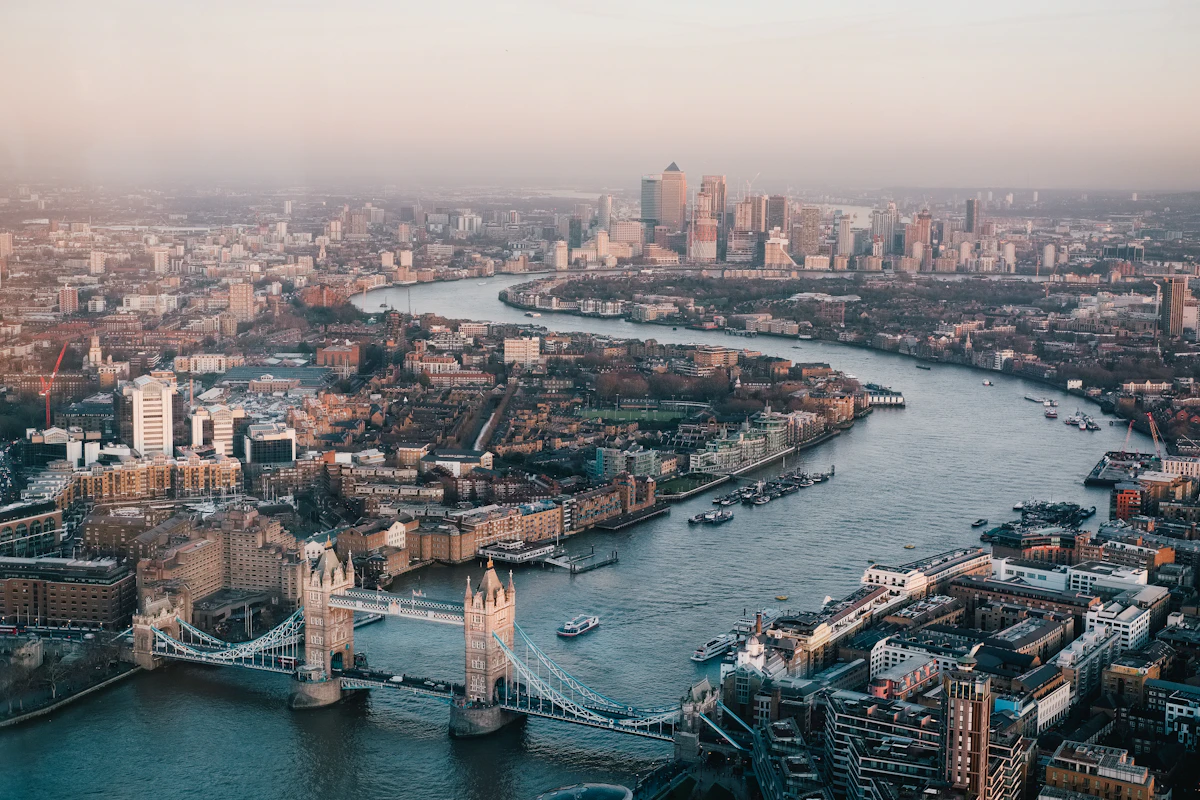
London in July 2010 still had the venue density that would become impossible within a decade. The Old Blue Last, the Lexington, the Luminaire (which closed in 2010 during this exact window), the Social, the Windmill Brixton, the Lock Tavern, the Buffalo Bar, the 12 Bar Club, the George Tavern, the Boston Arms — a working indie act could route multiple shows across the city in a single week, and many did. The touring infrastructure was built for a scene that was actively disappearing, though not yet recognized as such.
The Luminaire’s closure and what it meant
The Luminaire in Kilburn closed in December 2010, and its last few months of bookings in mid-2010 represented the endgame of a specific era of London indie venues. Opened in 2005, the 200-capacity room had become the go-to mid-size indie venue during the late-2000s indie boom — a proper listening room with serious sound, careful booking, and a policy of ejecting talkers during sets. Its closure was cited by multiple touring acts as the moment London’s mid-size indie ecosystem began to hollow out.
The loss of the Luminaire marked a shift toward less music-focused venues — pubs with bookings rather than purpose-built rooms. The ripple effect on touring was real: acts that could previously sell out the Luminaire at 200 cap now had to choose between the 125-cap Lexington (smaller, harder to recoup on touring costs) or the 500-cap larger rooms (harder to fill without local support). The gap at 200-250 was never properly refilled.
The pre-Brexit European corridor
London in 2010 still functioned as the anchor point for UK-and-European touring, with same-day rail connections to Paris, overnight coach options to Amsterdam and Brussels, and easy flight routing to the continent. Touring acts routinely played London early in a European swing, then used the city as a base for additional UK dates before crossing to the mainland via Eurostar or ferry. The logistics that supported this routing were cheap and familiar.
Brexit in 2020 complicated this geometry substantially. UK acts touring Europe now face visa requirements, customs declarations, and logistical friction that didn’t exist in 2010. European acts visiting London face corresponding costs. The practical effect: routing that was standard in 2010 — a cross-Channel tour planned as one integrated circuit — has become a paperwork-heavy undertaking that many smaller acts simply skip.
Touring economics specifically
London touring guarantees in 2010 ran higher than the rest of the UK but not dramatically so. A touring act playing the Old Blue Last or the Lexington might clear £200–400 guarantees plus door, plus merch. The larger purpose-built rooms (Koko, Scala, Shepherd’s Bush Empire) operated on different economics entirely — more promoter-driven, more dependent on pre-sale ticket volumes, less welcoming to smaller touring acts.
Merch moved well in London. A touring act with good merchandising could clear £400–700 in net merch on a 150-cap show — the higher end of UK touring merch economics. This reflected both the high per-capita spend of London audiences and the fan demographics that followed touring indie acts to their London dates.
Related reading
For the UK circuit context, see the dispatches on Brighton, Newcastle, and Glasgow. For the European crossover, see Zurich and Copenhagen. For current UK touring reality, see our Touring guide.